
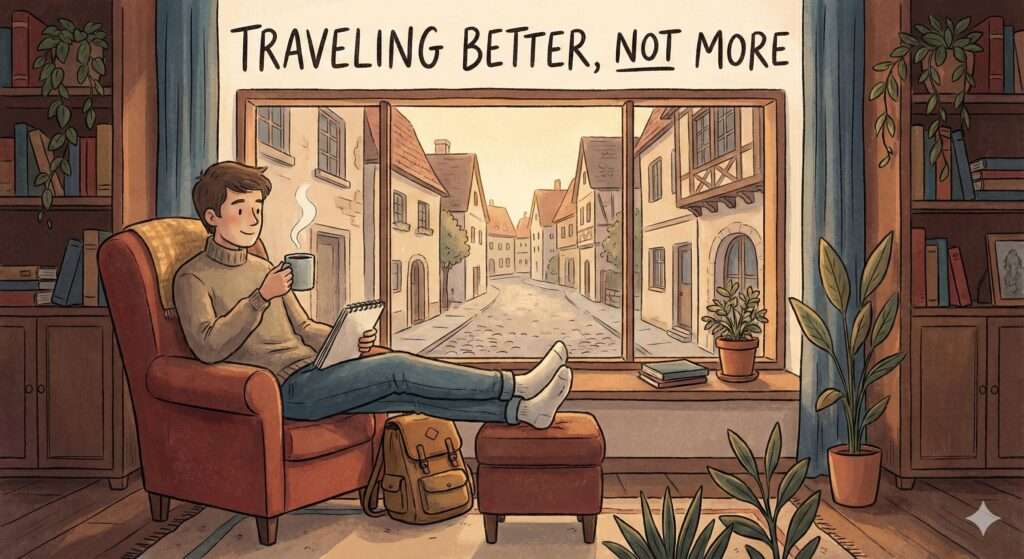
At the start of a new year, it seems like everyone loads up on goals, bucket lists, and ambitious plans to go more places than ever. It’s fun to spend time thinking about the future and making grand plans but overfocusing on these things can set you up for disappointment. The bank account is never full enough and the vacation time from work is never long enough.
This year is less about traveling more and more about traveling better. The changes I’m making are not dramatic, but they are intentional. They come from what actually worked on recent trips and, just as importantly, what did not.
This year isn’t driven by goals or bucket lists. It’s shaped by experience.
What Changed for Me
Less About Checking Boxes, More About Experience
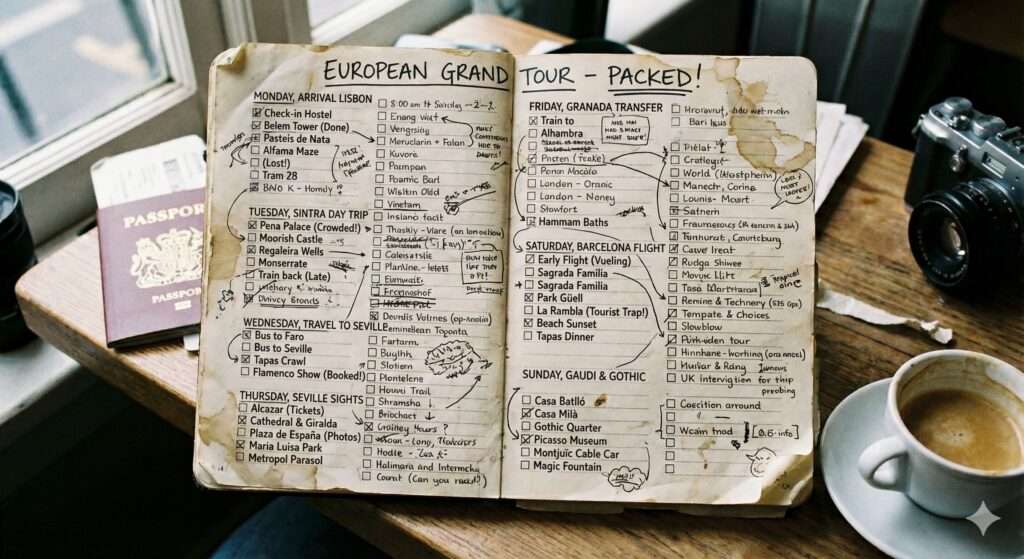
If you’ve read my previous articles, you know, for a long time, I planned trips around coverage. How many places could I reasonably (and frequently unreasonably!) see in the time I had. How many sights could I fit into a day without completely exhausting myself and my companions.
What I learned is that checking boxes rarely creates the moments I remember later.
Some of my best memories came from slowing down. Walking the same area twice. Eating at the same place more than once. Recognizing landmarks instead of constantly navigating to the next one.
This year, I will plan fewer stops and give each place more room to breathe. I want trips to feel familiar by the end, not just completed.
Comfort Is No Longer a Luxury
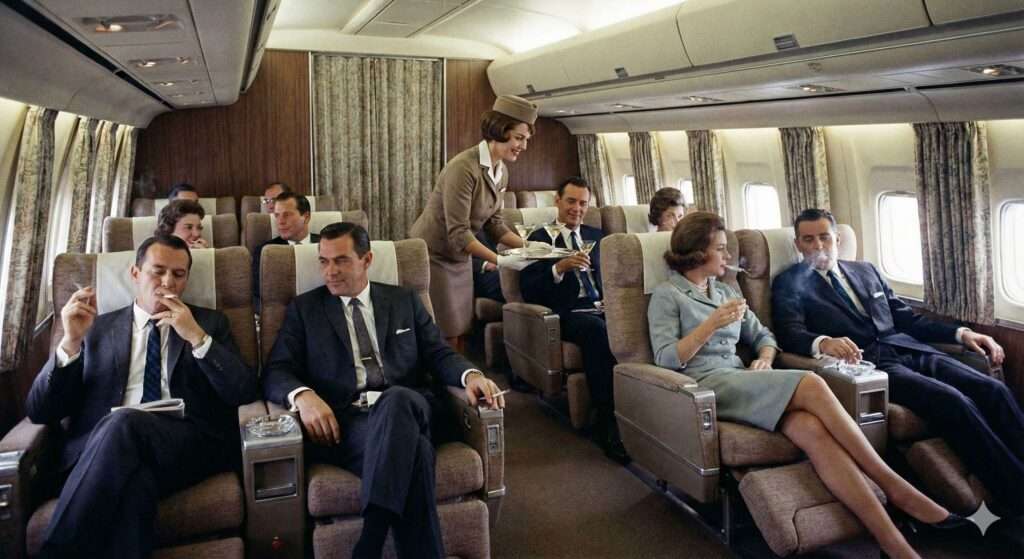
Long travel days have a way of clarifying priorities. Early flights, long connections, and jet lag add up fast, especially on international trips.
I used to treat comfort as optional. If something was cheaper or technically worked, I would take it. What I have learned is that saving money at the expense of sleep, space, or recovery time often costs more in the long run.
This year, I am more willing to spend for comfort where it matters. Better flight times. Better seats on the airplane. Hotels that reduce stress instead of adding to it. Transportation choices that preserve energy.
It is time to lean into comfort even if the added cost means fewer or shorter trips.
How I’m Planning Trips Differently This Year
Fewer Moves, Better Bases
One of the biggest changes is staying put longer.
Changing hotels sounds manageable on paper. In reality, it eats time and energy. Packing. Checking out. Transporting luggage. Learning a new area. Resetting routines.
This year, I am choosing better base locations and staying longer. One hotel. Fewer transit days. More time to explore without feeling rushed.
The result is less friction and more actual travel.
Planning the Big Pieces First
I used to plan trips from the middle outward. Attractions, tours, and ideas first. Flights and lodging later.
This year I’m flipping that idea.
Flights and lodging anchor everything else. Once those are locked in, the rest becomes easier. Budget decisions get clearer. Daily plans become more realistic. Planning fatigue drops dramatically.
This approach also makes it easier to say no to things that do not fit instead of forcing them in.
Building in Real Downtime
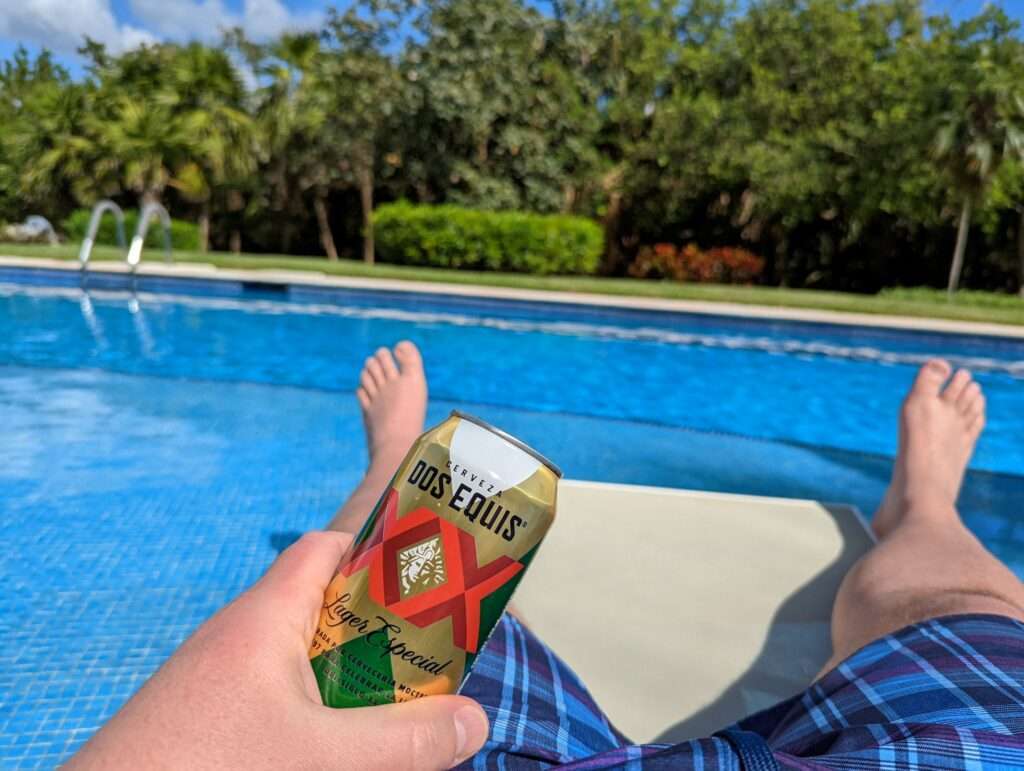
Downtime used to be accidental. Now it is intentional.
I will plan days with nothing scheduled. No must see attractions. No timed tickets. No pressure to maximize the day.
These are the days with the potential to be the most memorable. Plans either don’t exist or have the freedom to change organically and rest can actually happen.
Downtime is no longer a failure of planning. It is part of the plan.
What I’m Saying No To This Year
Overstuffed Daily Itineraries
Minute by minute itineraries look great in spreadsheets and, for me, they’re hella fun to create. They rarely survive reality.
Delays happen. Weather changes. Energy fluctuates. Interests shift.
This year, my days will have themes, not checklists. One or two priorities, not six. If everything else happens, great. If not, that is fine too.
Chasing the Cheapest Option Every Time
I still care about value. I just define it differently now.
The cheapest option is not always the best one. Sometimes it costs time. Sometimes it costs comfort. Sometimes it quietly takes away from the experience itself.
Where you choose to spend and where you choose to save is deeply personal. For me, the benefits of something like flying first class are worth it on certain trips. For someone else, that same money might be better spent on a nicer hotel, better food, or an extra day at the destination. Neither approach is right or wrong.
Those choices directly affect how rested I arrive, how quickly I recover, and how much energy I have to actually enjoy the trip.
This year, I will be more selective about when I optimize for price and when I optimize for quality. The goal is fewer regrets, not the lowest possible total.
Carrying Gear “Just in Case”
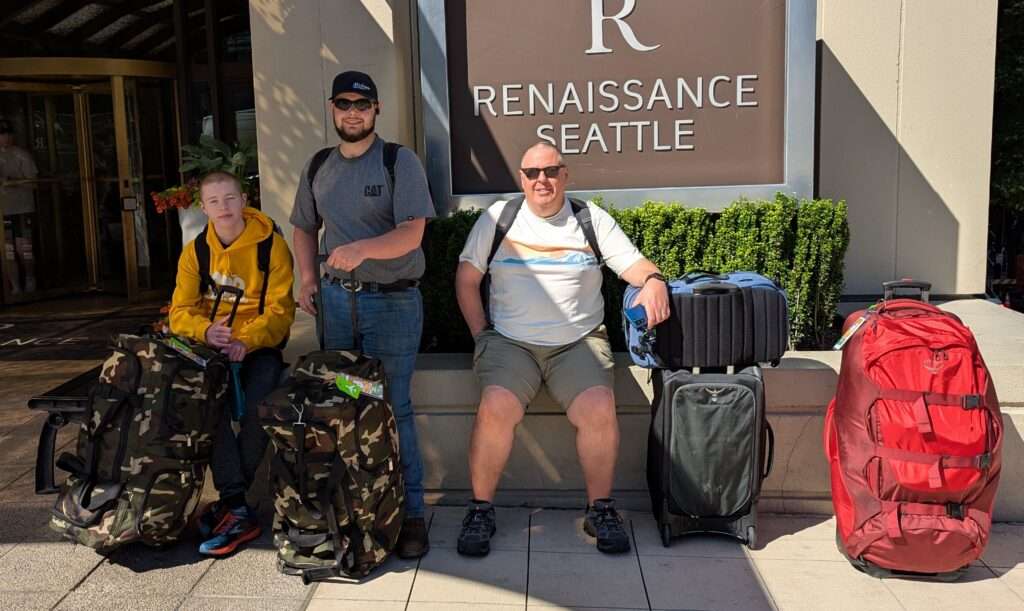
This one is a big, even scary, adjustment for me.
In May, I’m taking a trip using carry-on only, which will be a first. That decision did not happen out of the blue, I’ve been working up the gumption to try it for years. This is the result of several trips where I noticed how much I packed “just in case” and how little of it I actually used.
Overpacking creates friction at every step. Airports. Transit. Hotel rooms. Even daily carry once I arrive. Every extra item has a cost, whether it’s weight, bulk, or the mental overhead of keeping track of it.
What’s changed is not just how I pack for a carry-on-only trip, but how I pack in general. Even when I check a bag, I’m deliberately choosing lighter, simpler options and cutting backups that exist only to make me feel prepared. If something didn’t earn its place on the last few trips, it probably doesn’t belong on the next one.
And if I forget something I truly can’t live without, I can almost certainly find a reasonable replacement at my destination. I’m not traveling to Mars. In some cases, being forced to improvise or go without might even be the better outcome.
This year, I’m packing with intention. Less redundancy. Fewer “what if” items. More focus on what I actually use.
What Stays the Same
Planning With Purpose
Less planning does not mean less preparation.
I still do the heavy lifting up front and I enjoy the process immensely. I research transportation options, neighborhoods, timing, and logistics so I understand the shape of the trip and the decisions that actually matter. What I avoid now are exhaustive lists of things to do that turn planning into a chore and travel into a checklist.
Once I’ve done that groundwork, I lean on Ali, an experienced travel agent, for the final arrangements. That partnership gives me a second set of eyes and a perspective I don’t have, even with all the research in the world. She could spot issues I might miss, suggest alternatives I hadn’t considered, and confirm when a plan truly makes sense.
Just as important, it changes how I experience the trip itself. Knowing there is someone I trust who can help if flights change, reservations fall apart, or plans need to shift lets me relax and stay present. I’m not giving up control. I’m adding resilience.
Good research reduces stress. Over planning creates it. Having a reliable partner bridges the gap between the two.
Traveling With Purpose
The trips I enjoy most have a reason behind them. A person. An event. An interest.
Destinations alone are rarely enough. Purpose gives the trip weight and meaning. For me, that purpose usually takes one of these forms:
- Spending meaningful time with people, not just visiting places
- Traveling for a specific event, celebration, or milestone
- Deepening an existing interest, like photography, history, or food
- Returning to a place to experience it more fully the second time
- Taking time to rest, disconnect, and slow down
Sometimes relaxation supports the trip. Other times, relaxation is the trip. That is a valid and worthwhile reason to travel on its own.
That is not changing.
Documenting the Journey

I almost always come home wishing I had taken more photos. Not because I want thousands of images, but because photos are how I reconnect with a trip later.
At the same time, I’m conscious of not wanting to experience a place entirely through a camera. I don’t want the lens in my face for every moment, but I also don’t want to rely on memory alone once the trip is over. Finding the balance between the two is part of how I will travel this year.
Writing here on W4L7 Travels helps with that balance. It gives me a way to slow down, notice details, and capture the experience while it’s still fresh, both for anyone reading along and for myself later. Documenting the journey is not about perfection or volume. It’s about paying attention and giving future me something real to come back to.
How This Changes What I’ll Write About Here
I have two trips planned so far for 2026. I’m sure there will be more. This year, you can expect more posts about how trips come together. Why certain choices were made. What worked. What did not.
More behind the scenes planning. More practical takeaways. Less perfection.
Traveling Better, Not More
At the end of the day, travel is still constrained by time, money, and energy. Those realities haven’t changed.
What has changed is how I respond to them. This year isn’t driven by goals or bucket lists. It’s shaped by experience, better pacing, and more thoughtful tradeoffs.
Less about doing more. More about enjoying what I do.
Stay tuned.
👉 As the new year starts, what’s one thing you’re doing differently in how you travel this year? Let us know in the comments.